How to Get Involved in Wildlife Conservation Efforts
Oliver Hayes ·
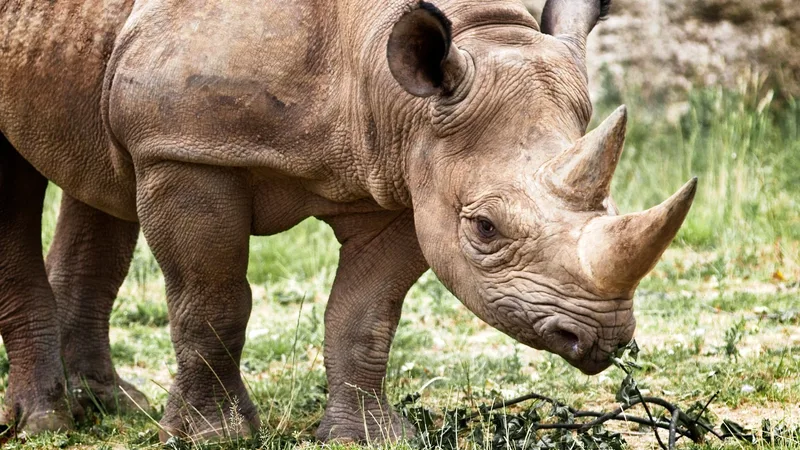
Wildlife conservation is a vital effort that requires the participation of individuals who care about the environment and the creatures that inhabit it. Many people are unaware of how accessible…
Understanding Wildlife Conservation Initiatives
Wildlife conservation is essential for maintaining the balance of ecosystems and ensuring the survival of various species. As human activity continues to encroach on natural habitats, the need for effective conservation initiatives has never been more critical. These efforts not only protect wildlife but also preserve biodiversity, which is vital for healthy ecosystems. When we engage in wildlife conservation, we help secure a sustainable future for both the planet and ourselves
The Importance of Wildlife Conservation
Conservation efforts play a crucial role in protecting endangered species and their habitats. By preserving these environments, we support the natural processes that maintain ecological balance. Healthy ecosystems provide numerous benefits, such as clean air, water, and food resources, which are essential for human survival. Understanding the importance of wildlife conservation fosters a sense of responsibility towards the environment and encourages individuals to take action.
Types of Conservation Efforts
There are various types of wildlife conservation initiatives, each addressing different aspects of environmental protection. Habitat restoration focuses on rehabilitating damaged ecosystems to support wildlife populations. Species protection involves legal measures and breeding programs to prevent extinction. Community engagement programs educate the public about the importance of conservation, fostering a culture of care for the environment. Each of these efforts contributes uniquely to the overall goal of preserving our planet's biodiversity.
Finding Local Wildlife Organizations
Getting involved in wildlife conservation often starts with connecting to local organizations dedicated to rescue and protection efforts. These groups typically have established programs and initiatives that directly impact your community. Finding nearby organizations allows you to contribute in meaningful ways, whether through volunteering, donations, or advocacy. It’s fulfilling to know that your efforts support local wildlife and promote ecological health.
Researching Local Opportunities
To find local wildlife organizations, start by searching online for groups focused on conservation efforts in your area. Websites dedicated to wildlife rescue often have directories or resources that list organizations by region. Social media platforms can also provide insights into local initiatives and events. Engaging with community boards or local nature centers may reveal opportunities to participate in wildlife conservation activities and connect with like-minded individuals.
Evaluating Organizations
Assessing the credibility and effectiveness of wildlife organizations is vital before getting involved. Look for groups that are transparent about their missions, goals, and financial practices. Check for reviews or testimonials from past volunteers to gauge their experiences. Additionally, organizations that collaborate with governmental bodies or other reputable entities often demonstrate a higher level of legitimacy. This evaluation ensures that your efforts contribute positively to conservation efforts.
Volunteering Your Time and Skills
Engaging in wildlife conservation is not just about donations; it often requires hands-on involvement. Volunteering your time and skills can make a significant impact in various conservation efforts. By dedicating your efforts, you not only contribute to the well-being of wildlife but also gain invaluable experience and insight into the challenges faced by different species. Here’s how you can get started on this rewarding journey.
Types of Volunteer Roles
A variety of volunteer roles are available, catering to different interests and skill sets. Fieldwork positions often involve direct interaction with wildlife, such as monitoring animal populations or assisting in rescue operations. If you prefer a more behind-the-scenes approach, administrative roles are essential for managing records, organizing events, or fundraising. Each role plays a crucial part in ensuring that conservation efforts run smoothly and effectively, making it easier for organizations to focus on their mission of protecting wildlife.
How to Apply and Prepare
Applying for volunteer positions typically involves researching organizations that align with your conservation interests. Once you find a suitable opportunity, prepare your application by highlighting relevant skills and experiences. Many organizations may require an interview or background check. To ensure you are ready, familiarize yourself with the organization’s mission and the specific tasks involved in your desired role. This preparation can enhance your confidence and readiness to make a meaningful contribution.
Engaging with Community and Online Platforms
Building a community around wildlife conservation can amplify your efforts and broaden your impact. Connecting with like-minded individuals and organizations creates a support network that fosters collaboration and shared learning. Whether through local events, workshops, or online forums, engaging with others passionate about wildlife can lead to new opportunities and insights. This sense of community is vital not only for personal growth but also for the overall success of conservation initiatives.
Building a Local Network
To build a local network, start by attending conservation events, workshops, or volunteer days in your area. These gatherings offer opportunities to meet others who share your passion and can lead to valuable collaborations. You might also consider joining local conservation groups or clubs that focus on specific wildlife issues. Engaging with these organizations can provide resources and support for your conservation efforts, while also expanding your understanding of local wildlife challenges and successes.
Utilizing Online Resources
Online platforms can be a treasure trove of information and support for those involved in wildlife conservation. Websites dedicated to conservation often provide resources such as articles, webinars, and forums where you can connect with experts and fellow volunteers. Social media groups focused on wildlife conservation can also be beneficial for sharing experiences and advice. As you engage online, consider how the community aspect mirrors other forms of entertainment, such as iGaming, where shared experiences can enhance enjoyment and camaraderie.
Connecting Conservation with Casino Entertainment
Wildlife conservation and casino entertainment might seem like unrelated topics, but they can intersect in meaningful ways. Many casinos are recognizing their role in supporting environmental efforts, using their platforms to raise awareness and funds for wildlife rescue initiatives. By participating in charity events and promoting responsible gaming, these establishments can contribute positively to conservation efforts, making a difference in the ecosystems that they aim to protect.
Charity Events and Fundraising
Casinos often host charity events designed to support wildlife conservation initiatives. These events can range from fundraising galas to themed gaming nights, where a portion of the proceeds is donated directly to reputable wildlife organizations. For instance, a casino might organize a special poker tournament, with entry fees going toward the rehabilitation of endangered species. Such gatherings not only provide entertainment but also create a sense of community around a shared purpose: protecting wildlife and their habitats.
Responsible Gambling and Giving Back
The gaming industry increasingly emphasizes responsible gambling and its potential for charitable contributions. Many casinos implement programs that encourage patrons to contribute to local conservation projects while enjoying their gaming experiences. This could involve matching player donations or offering incentives for those who choose to support wildlife causes. By integrating philanthropy into their business models, casinos can foster a culture of giving back, ensuring that their activities contribute to the greater good.
Making a Lasting Impact
Tracking the impact of your contributions to wildlife conservation is essential for understanding the effectiveness of your efforts. Whether you are volunteering time or donating money, knowing how your support helps can motivate you and others to continue contributing. Organizations often provide updates on their projects, allowing supporters to see firsthand the changes brought about by their involvement. This transparency can foster a deeper connection to the cause and inspire ongoing commitment to conservation efforts.
Tracking Your Contributions
Methods to monitor the impact of your volunteer work can vary but often include regular reports from the organizations you support. Many wildlife conservation groups utilize social media, newsletters, and community events to share success stories and updates about projects. By staying engaged with these communications, you can witness the outcomes of your efforts and see the difference your contributions make. This practice not only keeps you informed but also reinforces the importance of sustained involvement in conservation initiatives.
Inspiring Others to Join
Encouraging friends and family to participate in conservation can amplify your impact significantly. Share your experiences and the benefits of getting involved, whether through volunteering or supporting wildlife organizations financially. Organize group activities, such as community clean-ups or fundraising events, to make participation more accessible and enjoyable. By creating a collective effort, you not only inspire others but also strengthen the community's commitment to wildlife conservation, making a lasting difference for future generations.