The Importance of Environmental Education in Conservation
Oliver Hayes ·
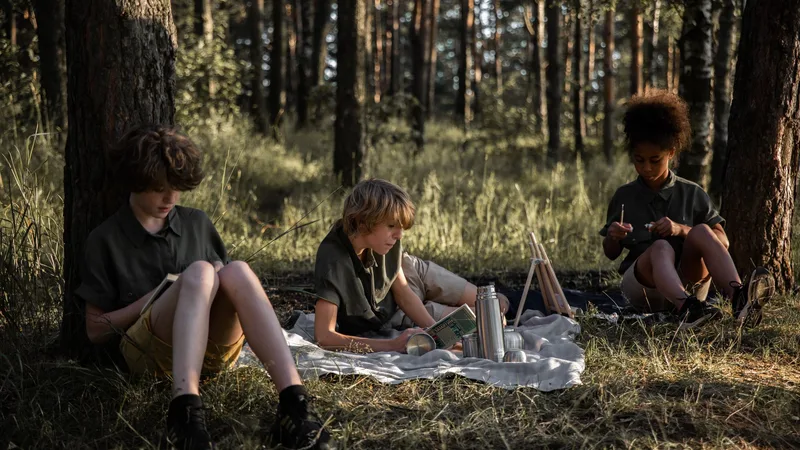
Environmental education plays a significant role in wildlife conservation. By fostering awareness and understanding, individuals can take action to protect endangered species and their habitats.…
The Role of Education in Wildlife Conservation
Education equips individuals with the knowledge needed to understand and appreciate the complexities of ecosystems. When people grasp how various species depend on one another and their environments, they become more invested in preserving these delicate balances. This understanding fosters a sense of responsibility towards protecting wildlife and their habitats. Communities can take informed actions that lead to sustainable conservation practices
Understanding Ecosystems
By educating individuals about ecosystems, we help them recognize the interconnectedness of all living things. Each organism, from the smallest insect to the largest mammal, plays a part in the ecological web. When people learn about these interdependencies, they are more likely to appreciate the importance of protecting biodiversity. This knowledge can lead to proactive efforts in conservation, such as supporting local wildlife initiatives and advocating for policies that safeguard natural habitats.
Community Engagement
Community involvement is a cornerstone of effective conservation education. Engaging local populations in wildlife preservation fosters a deeper connection to the environment and encourages collective action. Programs that invite community participation, whether through workshops, volunteer opportunities, or educational events, create a sense of ownership over local ecosystems. When people feel personally invested, they are more likely to contribute to conservation efforts, ensuring the longevity of wildlife and their habitats.
Successful Educational Programs
Many educational programs around the world have successfully raised awareness about wildlife conservation and inspired action. These initiatives showcase the impact of well-structured educational frameworks that engage diverse audiences. By examining local and global examples, we can identify effective strategies that can be replicated elsewhere. Such programs educate and provide practical tools for communities to protect their natural environments. They often emphasize the importance of hands-on learning, leading to deeper connections and commitments to conservation efforts. Engaging storytelling and interactive experiences enhance participants’ understanding and retention of information, making the learning process more impactful.
Case Study: Local Initiatives
Local initiatives have proven to be effective in promoting wildlife education. For instance, community-led workshops can teach residents about native species and sustainable practices. These programs often involve hands-on activities that foster a direct connection to nature. Participants leave with a better understanding of local ecosystems and a commitment to conservation, which can have lasting effects on the health of their environment. Additionally, these initiatives can empower community members to become advocates for local wildlife, often leading to grassroots movements that enhance conservation efforts. By fostering a sense of ownership and responsibility, local initiatives are educational and transformative.
Global Perspectives
International educational programs offer valuable insights into effective conservation strategies. Countries that prioritize wildlife education see improvements in community engagement and conservation outcomes. Programs like these include partnerships with schools, NGOs, and government agencies to create comprehensive educational experiences. By sharing knowledge globally, we can inspire innovation in local conservation efforts, bridging the gap between education and sustainable practices. The exchange of successful methodologies can adapt to various cultural contexts, ensuring that the strategies remain relevant and effective. This approach can lead to a united global effort in wildlife conservation, benefiting ecosystems worldwide.
The Impact of Technology on Learning
Technology plays a pivotal role in enhancing wildlife education and conservation efforts. With the rise of digital resources, educators and organizations provide engaging, interactive content that captures the attention of learners of all ages. By utilizing online platforms, wildlife conservation programs can reach a wider audience, making education more accessible and effective. This shift towards digital learning fosters a deeper understanding of wildlife and the importance of conservation.
Digital Resources
Online resources have transformed how we approach wildlife education. Websites, webinars, and virtual field trips offer immersive experiences that traditional classroom settings cannot match. These digital tools allow learners to explore ecosystems, view wildlife in their natural habitats, and access a wealth of information. Organizations can create interactive content that keeps students engaged and encourages them to take an active interest in wildlife conservation.
Interactive Learning
Gamified learning experiences have emerged as a powerful tool in environmental education. By incorporating elements of play, such as quizzes, simulations, and interactive challenges, educators enhance retention and engagement among learners. This approach makes the learning process enjoyable and instills a sense of responsibility towards wildlife conservation. As more educational platforms adopt these methods, the connection to casino entertainment becomes apparent; both rely on the allure of interactive experiences to captivate their audiences.
Challenges in Environmental Education
Despite advancements in technology and resources, environmental education faces significant challenges. Financial constraints often hinder the development and sustainability of conservation education programs. Many organizations struggle to secure the funding necessary to implement effective educational initiatives. These challenges can restrict access to vital learning opportunities, making it difficult for communities to engage with and understand wildlife conservation efforts.
Funding and Resources
Funding is a critical issue that affects the reach and impact of conservation education programs. Without adequate financial support, many organizations cannot develop or maintain educational initiatives essential for raising awareness about wildlife issues. This lack of resources leads to limited outreach, which can hinder the effectiveness of conservation efforts. Establishing partnerships with businesses, including those in the iGaming sector, could provide much-needed financial backing for these educational programs.
Cultural Barriers
Cultural differences can significantly impact wildlife education efforts. Various communities may have differing beliefs and values regarding wildlife and conservation, creating barriers to effective communication and education. Understanding these cultural nuances is vital for educators to tailor their programs appropriately. As the gaming industry continues to grow, it can play a role in bridging these gaps by promoting awareness and understanding through engaging content that resonates with diverse audiences.
Connecting Conservation and Entertainment
As we explore the intersection of wildlife rescue, conservation, and entertainment, gaming can serve as a powerful tool for educating the public about pressing environmental issues. By integrating conservation messages into gaming experiences, we can foster a sense of responsibility and awareness among players. This approach entertains and empowers individuals to take action in protecting wildlife and their habitats. The potential of educational gaming in promoting conservation efforts is vast and ripe for exploration.
Educational Gaming
Educational gaming can be a dynamic way to bring wildlife conservation messages to a wider audience. Games designed with conservation themes can engage players while imparting essential knowledge about endangered species and ecosystems. For instance, an online slot game might feature wildlife symbols and incorporate facts about animal habitats, encouraging players to learn while they play. This dual engagement can lead to increased awareness and action in real-world conservation efforts, making gaming a vital ally in our quest to protect the planet.
The Role of Casinos in Conservation
Casinos have a unique opportunity to contribute to wildlife protection initiatives. Many establishments recognize their social responsibility and partner with environmental organizations to support conservation projects. By hosting charity events or donating a portion of their proceeds to wildlife rescue efforts, casinos can make a meaningful impact. This collaboration enhances their brand image and encourages players to participate in conservation efforts, creating a community of support around wildlife protection.
Future Directions in Wildlife Education
Looking ahead, innovative approaches to wildlife education will be critical in engaging the public and fostering a culture of conservation. As technology advances, new platforms and tools can create immersive experiences that resonate with diverse audiences. Interactive exhibits, augmented reality applications, and gamified learning experiences can all educate the public about wildlife issues. By embracing these modern techniques, we can inspire a new generation to prioritize conservation and take meaningful action.
Innovative Approaches
New methods for engaging the public in conservation education are emerging. From interactive workshops to virtual reality experiences, these innovative approaches can captivate audiences and make learning about wildlife more accessible. For example, a virtual reality game could allow players to experience wildlife habitats up close, fostering empathy for the animals they encounter. These experiences can lead to a deeper understanding and commitment to conservation efforts, bridging the gap between entertainment and education.
The Importance of Collaboration
Collaboration between organizations and the community is essential for effective wildlife education. By partnering with schools, local governments, and environmental groups, we can create comprehensive programs that reach various demographics. These partnerships can help amplify conservation messages and resources, ensuring that everyone has the opportunity to engage with wildlife issues. Building a network of support is crucial; together, we can foster a culture of conservation that resonates throughout society.