Why Wildlife Rescue Matters for Our Planet
Oliver Hayes ·
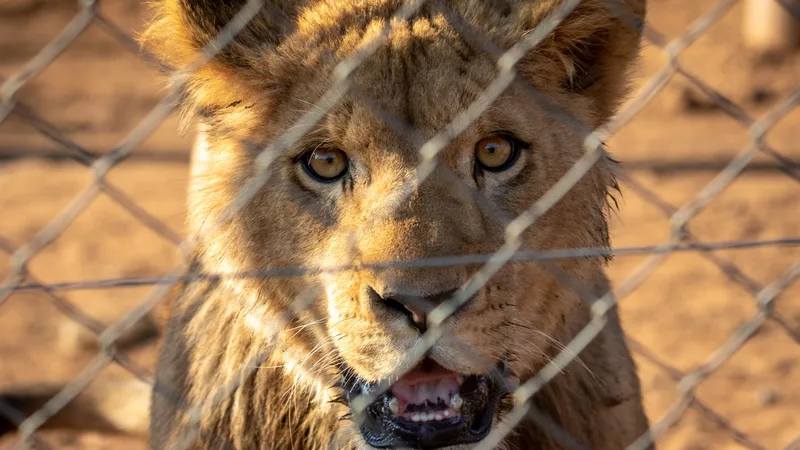
Wildlife rescue is a critical aspect of conservation efforts that directly impacts our planet's health. When animals are rehabilitated and returned to their habitats, ecosystems can thrive, ensuring…
The Importance of Wildlife Rescue
Wildlife rescue plays a crucial role in the health of our planet. By providing care and rehabilitation to injured or orphaned animals, these initiatives help maintain biodiversity and ensure that ecosystems function properly. The efforts of rescue organizations contribute directly to preserving species that might otherwise face extinction. Understanding the significance of wildlife rescue can inspire more individuals to support these causes. Additionally, these organizations often engage in public education, raising awareness about wildlife conservation and the challenges animals face due to habitat loss and climate change. Such outreach fosters a sense of responsibility in communities to protect local wildlife
Biodiversity Preservation
Preserving biodiversity is essential for the stability of our environment. Wildlife rescue aids in this effort by rehabilitating animals and reintroducing them into their natural habitats. Each species plays a unique role in its ecosystem, and losing even a single one can have cascading effects. By saving these animals, rescue organizations help maintain the delicate balance that supports life on Earth. The genetic diversity maintained through these rescue efforts is critical for the resilience of populations, allowing them to adapt to changing environmental conditions and diseases.
Ecosystem Balance
Rescued animals are integral to restoring ecosystem health. When animals are rehabilitated and returned to the wild, they help re-establish the natural order of their habitats. For instance, predators maintain the population of prey species, while herbivores influence plant growth. This balance is vital for sustaining the ecosystems that provide us with clean air, water, and resources. Wildlife rescue initiatives often collaborate with local communities to develop sustainable practices that benefit both people and wildlife, ensuring that conservation efforts are effective and enduring.
Challenges Facing Wildlife Rescues
Despite the critical work they do, wildlife rescue organizations face numerous challenges that hinder their efforts. Funding limitations are a significant barrier, as many rely on donations and grants to operate. Without adequate financial support, these organizations struggle to provide the necessary care for the animals they rescue. Addressing these challenges can enhance the effectiveness of wildlife conservation initiatives.
Funding Limitations
Most wildlife rescue organizations operate on tight budgets, which often restrict their ability to expand services or take in more animals. Financial hurdles can hinder the purchase of medical supplies, equipment, or even the ability to hire trained staff. This limitation can lead to difficult decisions about which animals to prioritize for care. Increased awareness and support for these organizations are crucial for their sustainability and success.
Regulatory Hurdles
Legal challenges also pose significant obstacles to wildlife rescues. Various regulations govern the care, rehabilitation, and release of wild animals, which can vary by region. Navigating these laws can be complex and time-consuming, often delaying rescue efforts. Streamlining regulations and fostering collaboration among organizations and governmental bodies can help mitigate these challenges and ensure that wildlife rescue efforts proceed smoothly.
Successful Wildlife Rescue Initiatives
Wildlife rescue initiatives play a crucial role in preserving biodiversity and rehabilitating injured animals. One remarkable example is the Urban Wildlife Rehabilitation project in New York City, which focuses on rescuing and rehabilitating local species affected by urbanization. This initiative not only addresses immediate animal welfare needs but also educates the public about the importance of coexistence with wildlife in urban settings. By integrating veterinary care and community engagement, this project sets a standard for effective urban wildlife management.
Case Study: Urban Wildlife Rehabilitation
The Urban Wildlife Rehabilitation project has successfully rescued thousands of animals over the years, including birds, raccoons, and squirrels. Volunteers work tirelessly to provide care, ensuring that these animals can return to their natural habitats. The project collaborates with local veterinary clinics to offer medical treatment and rehabilitation services. This initiative showcases how urban areas can embrace their wildlife, turning potential conflicts into opportunities for conservation and education.
Community Involvement
Local communities play a vital role in supporting rescue efforts through volunteer work and fundraising initiatives. Grassroots campaigns often mobilize residents to participate in wildlife rescue workshops and awareness programs. These events foster a sense of responsibility towards local wildlife and encourage sustainable practices. By engaging the community, wildlife rescue organizations can amplify their impact, creating a network of support that benefits both animals and the environment.
Innovative Funding Solutions
Modern wildlife rescue initiatives require innovative funding solutions to sustain their efforts long-term. Crowdfunding has emerged as a popular method for raising funds, allowing individuals to contribute directly to specific rescue projects. This approach generates financial support and fosters a sense of community ownership over conservation efforts. As more people become aware of the challenges facing wildlife, these funding avenues are becoming increasingly vital for successful rescue operations.
Crowdfunding and Donations
Platforms dedicated to crowdfunding have made it easier for wildlife rescue organizations to reach potential donors. By sharing compelling stories and images of rescued animals, organizations can connect emotionally with supporters. Many successful campaigns have raised significant funds for specific projects, from veterinary care to habitat restoration. These donations allow rescue teams to act swiftly during emergencies, demonstrating the power of community-backed initiatives in wildlife conservation.
Partnerships with Businesses
Forming partnerships with businesses can provide essential resources and funding for wildlife conservation efforts. Companies often seek to enhance their corporate social responsibility profiles and find that supporting wildlife rescue aligns with their values. These collaborations can take various forms, from monetary donations to in-kind support, such as providing supplies or volunteer hours. As the gambling and iGaming industries continue to grow, many companies within these sectors are exploring ways to contribute to wildlife rescue initiatives, creating a positive cycle of support and awareness.
The Connection to Casino Entertainment
Wildlife rescue and conservation efforts play a critical role in maintaining the balance of our ecosystems. As we explore the intersection of wildlife advocacy and entertainment, one fascinating avenue emerges: charity slots. These online slots provide entertainment and serve a greater purpose by donating a portion of their profits to wildlife causes. This approach allows players to enjoy their gaming experience while actively contributing to the preservation of endangered species and habitats.
Charity Slots for Wildlife Rescue
Several online casinos have developed slots specifically designed to support wildlife rescue initiatives. For example, games like "Wildlife Warriors" and "Save the Tigers" incorporate themes of conservation and feature stunning graphics that highlight the beauty of nature. Each spin contributes to funds that help rehabilitate injured animals, protect habitats, and raise awareness about wildlife issues. By choosing to play these slots, you’re not just playing for entertainment; you’re also making a tangible difference in the lives of animals in need.
Engaging Gamblers in Conservation
The rise of iGaming presents a unique opportunity to engage a broader audience in wildlife conservation. Many online platforms actively promote awareness campaigns linked to their games, encouraging players to learn more about the species they’re supporting. Through interactive storytelling and immersive game design, players are motivated to become advocates for wildlife. This synergy between gaming and conservation raises funds and educates a new generation about the importance of protecting our planet's biodiversity.
How You Can Make a Difference
Every individual has the power to contribute to wildlife rescue efforts, and it starts with supporting organizations that are actively making a difference. Through donations, volunteering, or simply spreading the word, your involvement can have a lasting impact on conservation initiatives. Additionally, your gaming choices can reflect your commitment to this cause. By opting for casinos that prioritize wildlife initiatives, you help create an ecosystem where entertainment and conservation coexist harmoniously.
Supporting Wildlife Charities
Consider donating your time or resources to wildlife charities that resonate with your values. Many organizations offer volunteer programs that allow you to engage directly with wildlife rescue efforts. These experiences can be incredibly fulfilling and give you a deeper understanding of the challenges faced by animals in the wild. Even small financial contributions can support critical projects, such as habitat restoration and educational outreach, ensuring that future generations can enjoy the wonders of wildlife.
Choosing Responsible Gaming Options
When selecting an online casino, look for those that align with your values and support wildlife initiatives. Many reputable operators now incorporate corporate social responsibility into their business models, dedicating a portion of their profits to conservation efforts. By choosing these platforms, you enhance your gaming experience and contribute to causes you care about. This responsible gaming approach ensures that your entertainment choices reflect your commitment to making a positive impact on the world around you.